Article Contents
Centralizing data and creating contextual incidents
Coordinating incident response with AI and knowledge systems
From incident handling to continuous improvement
Real results at BiPlus
Conclusion


In today’s complex IT landscape, operations teams must not only react quickly to incidents but also ensure smooth, controlled, and continuously improving workflows. At BiPlus, we implement Modern IT Operations using the Atlassian ecosystem, with Jira Service Management (JSM) and Rovo AI at the core. Instead of relying on disconnected tools, our solution focuses on connecting data, processes, and people in a unified system.
This article shares a practical use case from our internal DevOps team, following the real incident management workflow we use every day.
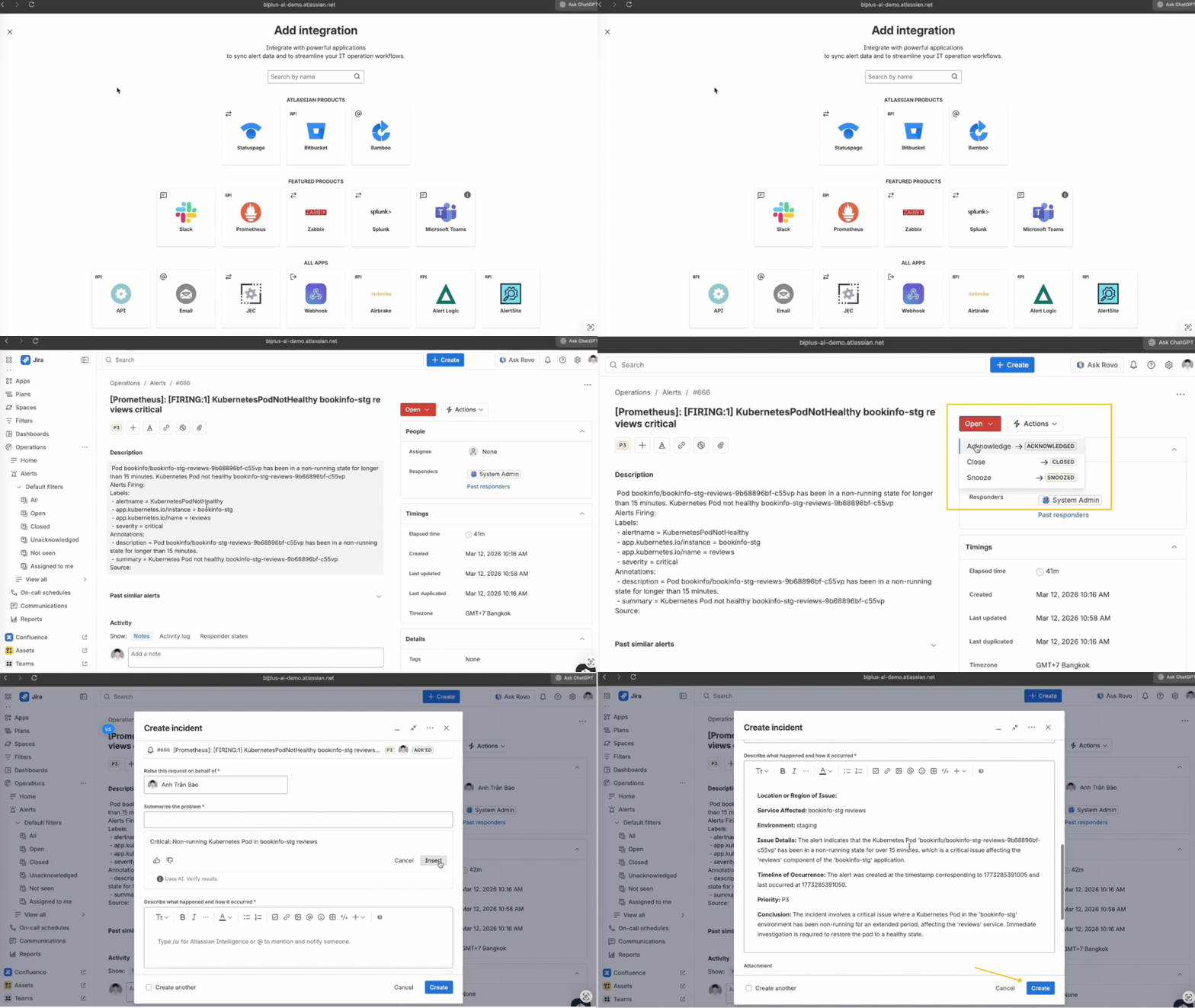
In real-world operations, alerts often come from various monitoring systems like Prometheus, Datadog, or CloudWatch. Each tool provides a different view, but none alone is enough for fast decision-making. At BiPlus, all alerts are centralized in Jira Service Management, creating a single intake point. Related alerts are automatically grouped, categorized, and prioritized. This allows the DevOps team to monitor the entire system from one place, instead of juggling multiple screens.
When an alert is confirmed as a real incident, it is instantly converted into an incident ticket—no manual data entry required. All technical information is preserved, eliminating time-consuming manual compilation. As soon as the incident is created, Rovo AI suggests a summary and description based on alert data and system context. The on-call engineer can quickly review and start resolving the issue, significantly reducing initial response time, especially in urgent situations.
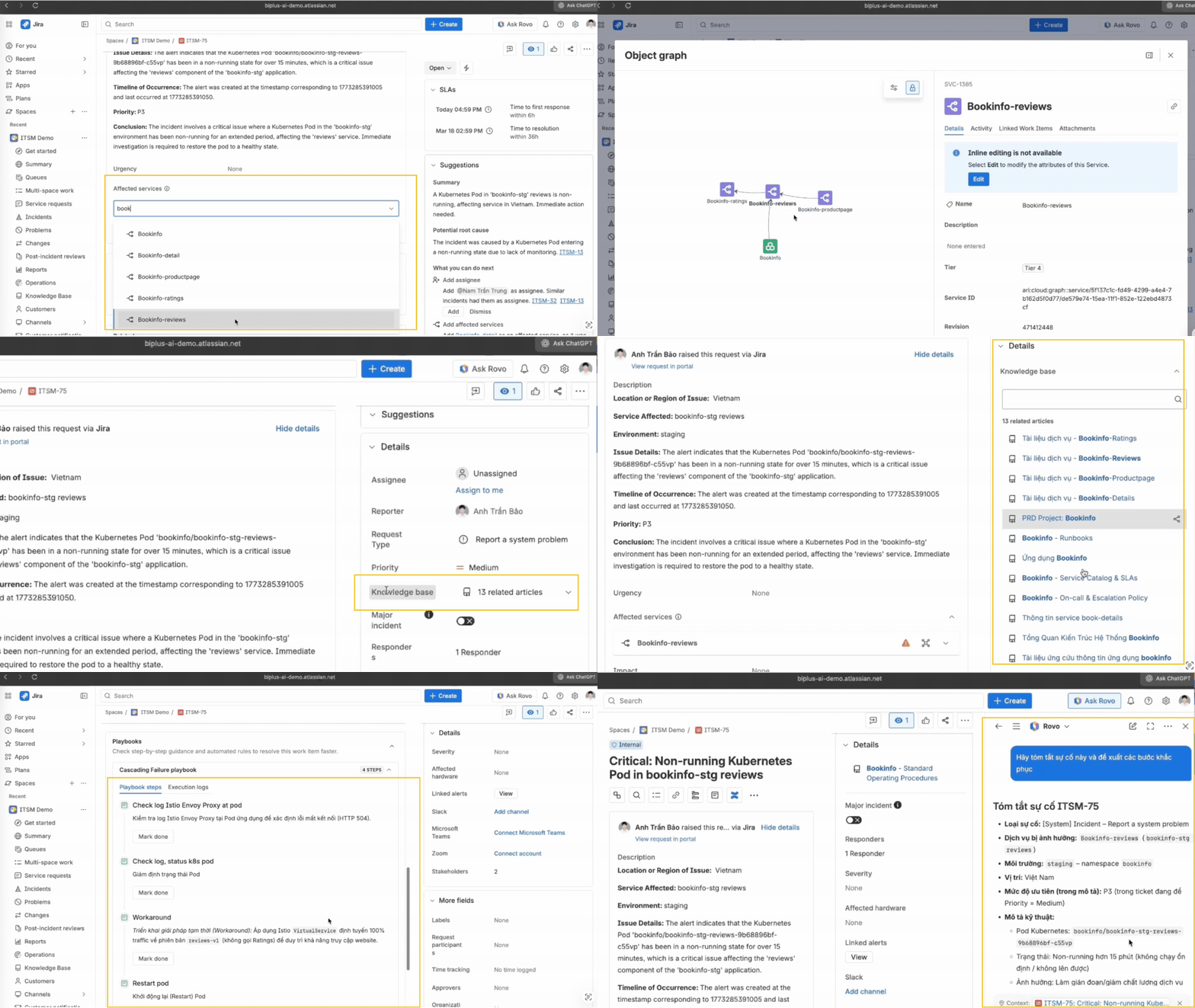
A major challenge in IT Ops is not knowing the full impact of an incident right away, which can lead to unfocused or delayed responses. With JSM, each incident is directly linked to the CMDB, showing affected services, related components, and responsible owners. This helps the team quickly set priorities, know who to contact, and focus on the most critical issues. Stakeholders are also automatically notified, enabling immediate collaboration.
Throughout the incident process, Rovo AI acts as a smart assistant. Engineers can ask AI to summarize the current status, review completed steps, and suggest next actions. The system also provides quick access to the knowledge base, including operation manuals, troubleshooting guides, and similar past incidents. This means the team doesn’t have to start from scratch every time, but can build on accumulated experience for faster, more consistent resolution.
For recurring incidents, BiPlus standardizes response steps into playbooks, which are embedded directly into the system. Each playbook clearly outlines the necessary actions, from log checks to remediation steps. This reduces reliance on individual experience and ensures everyone on the team can follow the same approach - especially helpful during shifts or when onboarding new members.
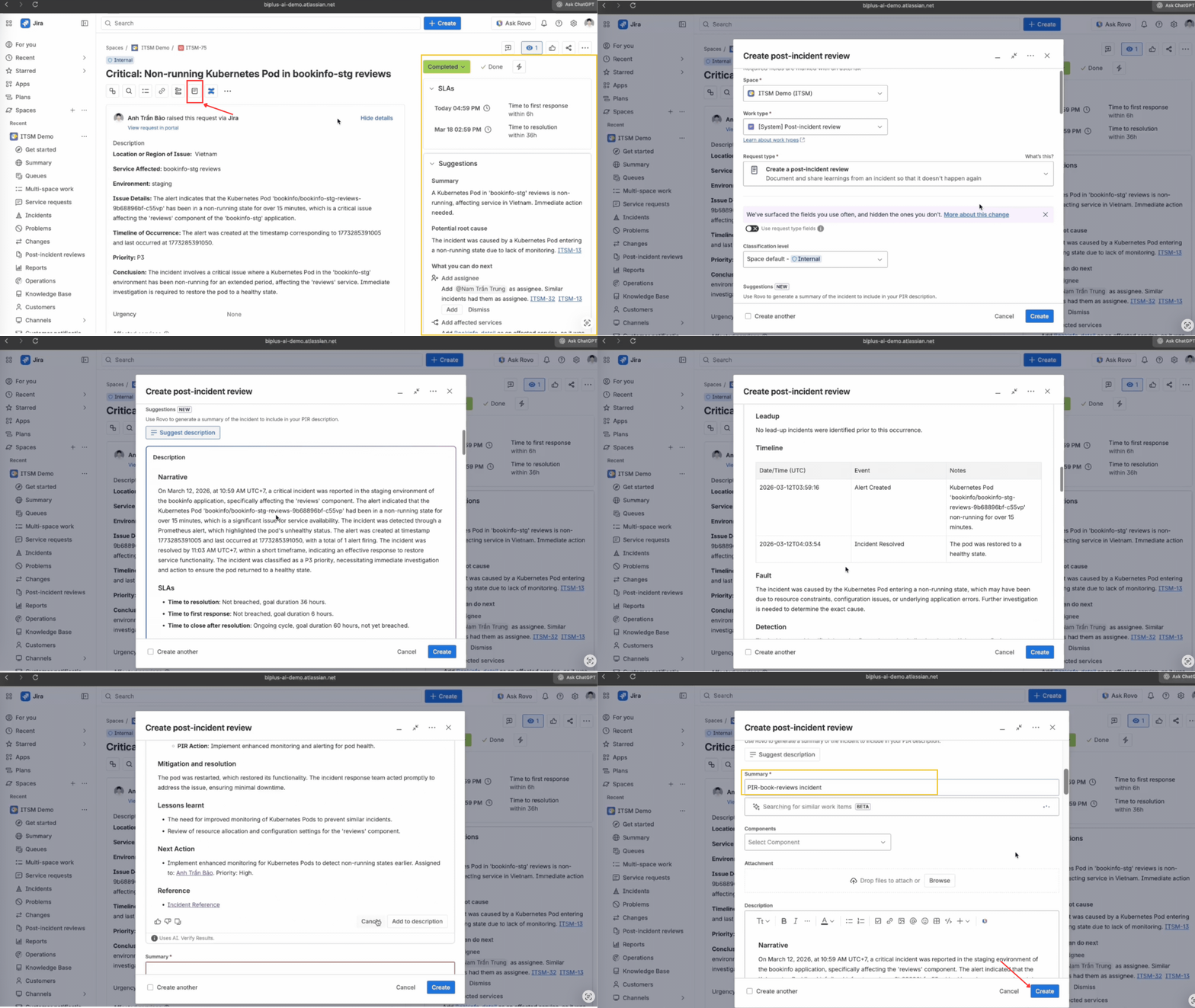
Modern IT Operations is not just about resolving incidents. Immediately after an incident is fixed, the team conducts a Post-Incident Review directly in the system. Rovo AI helps structure the report, capturing the timeline, root cause, and preventive actions. All content is saved in the knowledge base and linked to the relevant incident.
Over time, this knowledge base becomes a foundation for handling similar incidents faster and avoiding repeated mistakes. This is the biggest difference: every incident not only gets resolved but also contributes to improving the entire IT operations system.
After adopting Modern IT Operations, BiPlus has seen significant changes - not just in speed, but in the way the team operates:
Modern IT Operations is not just about adding new tools. The real value lies in connecting data, processes, people, and AI into a unified system. When this is achieved, IT Ops not only resolves incidents faster but also becomes the foundation for stable and sustainable business growth.
If your IT team faces similar challenges, BiPlus can share more about our real-world implementation.
Learn more about our Service Collection solution at: Service Collection | BiPlus Solutions
Or contact us to see our system in action.


