
Article Contents
AI capabilities are uneven
Bottlenecks still exist in operations
When a bottleneck is solved, the whole system leaps forward
How can AI truly add value and reduce bottlenecks?
Conclusion


In recent years, companies in the banking and financial sector have heavily invested in AI, adopting solutions like process automation, data analytics, customer service chatbots, fraud detection, and credit scoring systems. AI now appears at many points in business operations, from front-office to back-office. Yet, many CIOs, CTOs, and CEOs still face a tough reality: despite more AI, operational bottlenecks haven't disappeared. In some cases, new ones have even emerged. Why is this happening?
Researchers have noticed an interesting phenomenon about AI's abilities: AI can outperform humans at some tasks, but struggle with others that seem simple. This is called the "jagged frontier" of AI.
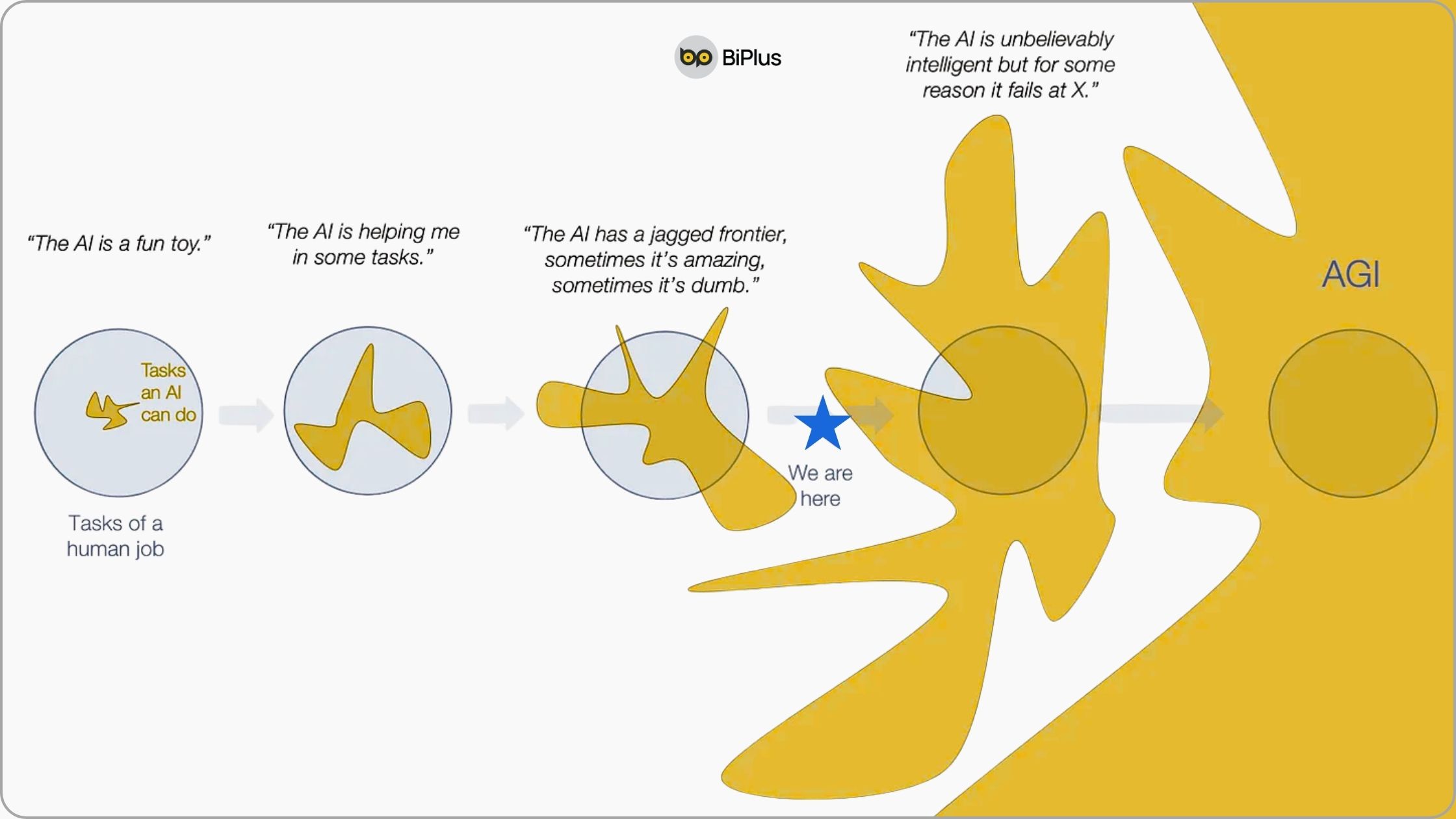
What is the jagged frontier?
Imagine AI's abilities as a bumpy, uneven line. In some areas, AI excels, even surpassing humans, but in others, it lags far behind or can't perform at all. This is different from the common belief that AI will progress evenly across all fields.
Real-world examples:
In BFSI, AI can handle complex tasks that are hard for humans to do quickly or accurately, such as:
However, AI struggles with tasks that seem simple in daily operations, like:
These weaknesses mean that, while AI is powerful in big data analysis, it still needs human collaboration for tasks that seem simple but are crucial in BFSI operations.
Why is this the case?
A major reason is that today's AI lacks the long-term memory and learning ability of humans. People can accumulate experience, learn from mistakes, and adjust over time. AI, on the other hand, usually learns only within the scope of its assigned data and tasks, and can't easily adapt or remember new things outside that scope.
In summary:
AI is strong in some areas but weak in others, creating a jagged frontier of capability. That's why, even as AI becomes more common in business, there are still many jobs and processes that only humans can handle well or flexibly.
Read more: Why AI Becomes a New Operational Risk for BFSI Enterprises?
Even if AI is strong in some steps, a single weak point can create a "bottleneck" - the slowest or hardest-to-automate part of a process that holds everything else back.
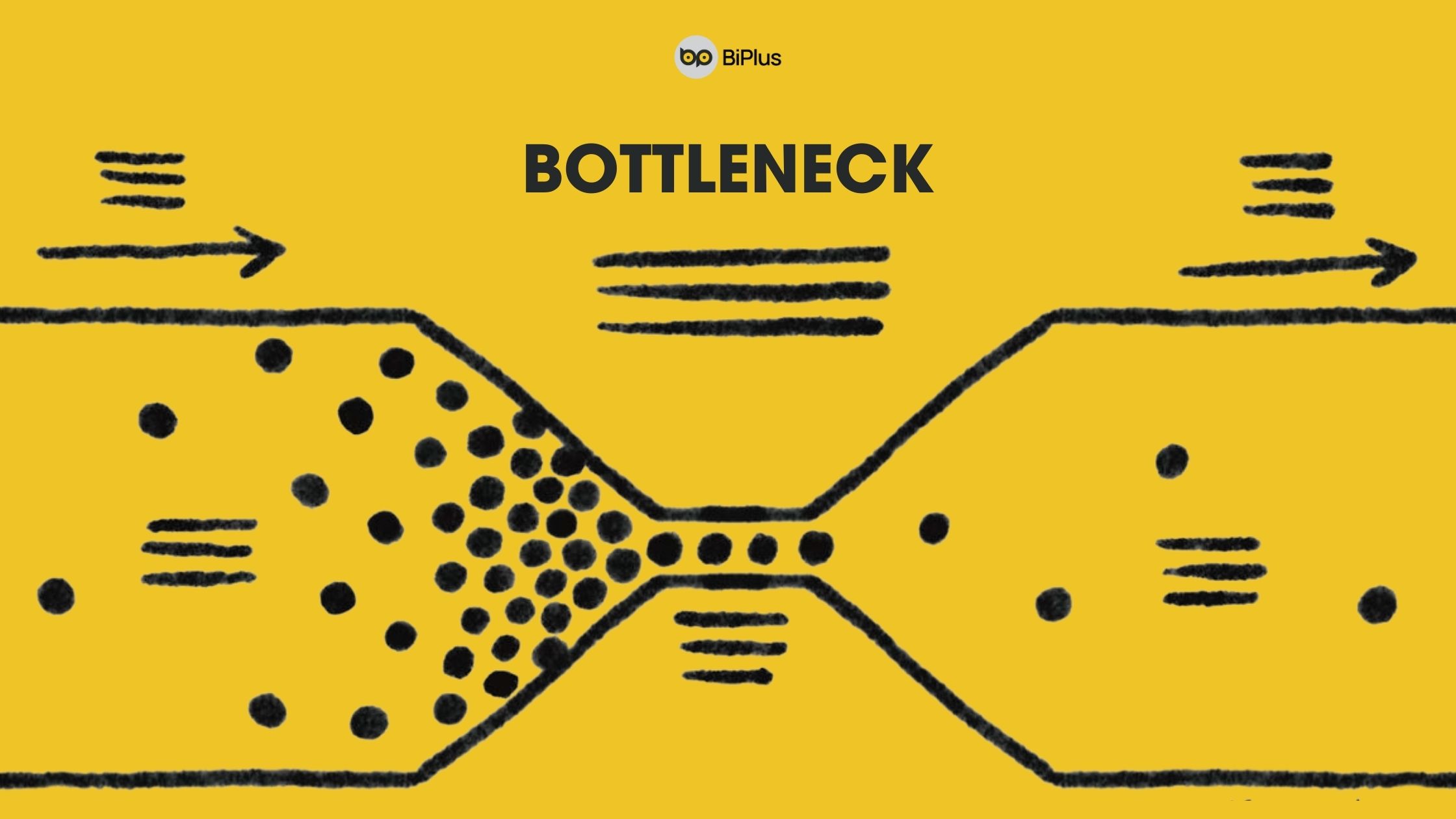
A simple explanation:
Think of a production line: even if most steps are fast, one slow or faulty step can clog the whole system. In business, even if AI handles many tasks well, a single manual step can make the whole process depend on people.
Real-world example:
AI can quickly detect fraudulent transactions in banking, but when a complex suspicious case arises, a human expert still needs to review and verify it manually. Just one step that can't be automated is enough to slow down the entire process and keep it reliant on people.
In summary:
A single small bottleneck can prevent full automation. This explains why, despite AI's growing power, businesses still need humans in key roles to keep operations running smoothly.
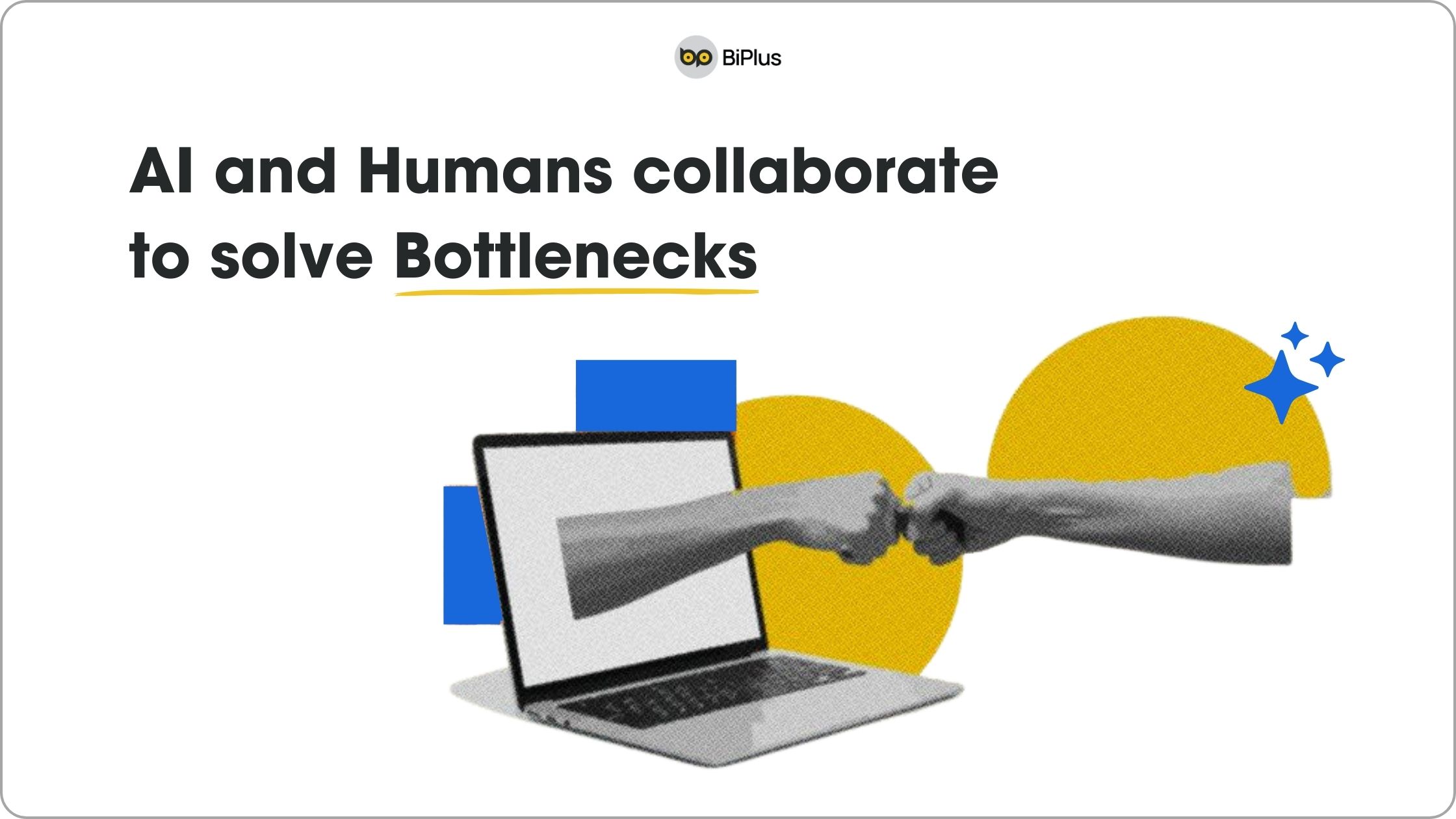
Bottlenecks might make us think AI will never fully replace human oversight and support. But in reality, solving even one small weak point can make the whole system run much more smoothly. For example, older generations of AI couldn't create high-quality images, limiting their use in presentations or research reports. But with new AI like Google's Nano Banana Pro, image generation has improved dramatically, opening up new applications that weren't possible before.
While AI is getting smarter and can solve more bottlenecks, there are still many tasks only humans do well. People understand real-world context, coordinate flexibly across departments, come up with creative solutions, or handle special cases that AI can't yet recognize. So, instead of replacing humans, AI works best when people manage, supervise, and support it in areas where machines can't fully take over.
In short, even as AI helps businesses break through bottlenecks, the human role remains vital throughout the system.
Many new advances, but people are still needed.
In the future, we'll see even more breakthroughs as AI continues to solve new bottlenecks. But each time, new challenges will arise that AI can't yet handle, creating more opportunities for humans to play a key role. Human work won't disappear. It will shift to:
This way, businesses can maximize AI's power while also leveraging the irreplaceable value of people for sustainable growth.
For AI to deliver real results and minimize bottlenecks, it's not enough to just invest in technology. Companies need a modern operational foundation where processes, data, goals, and people are tightly connected. If AI is applied in isolated departments, bottlenecks will still appear, or even multiply, due to lack of integration and transparency.
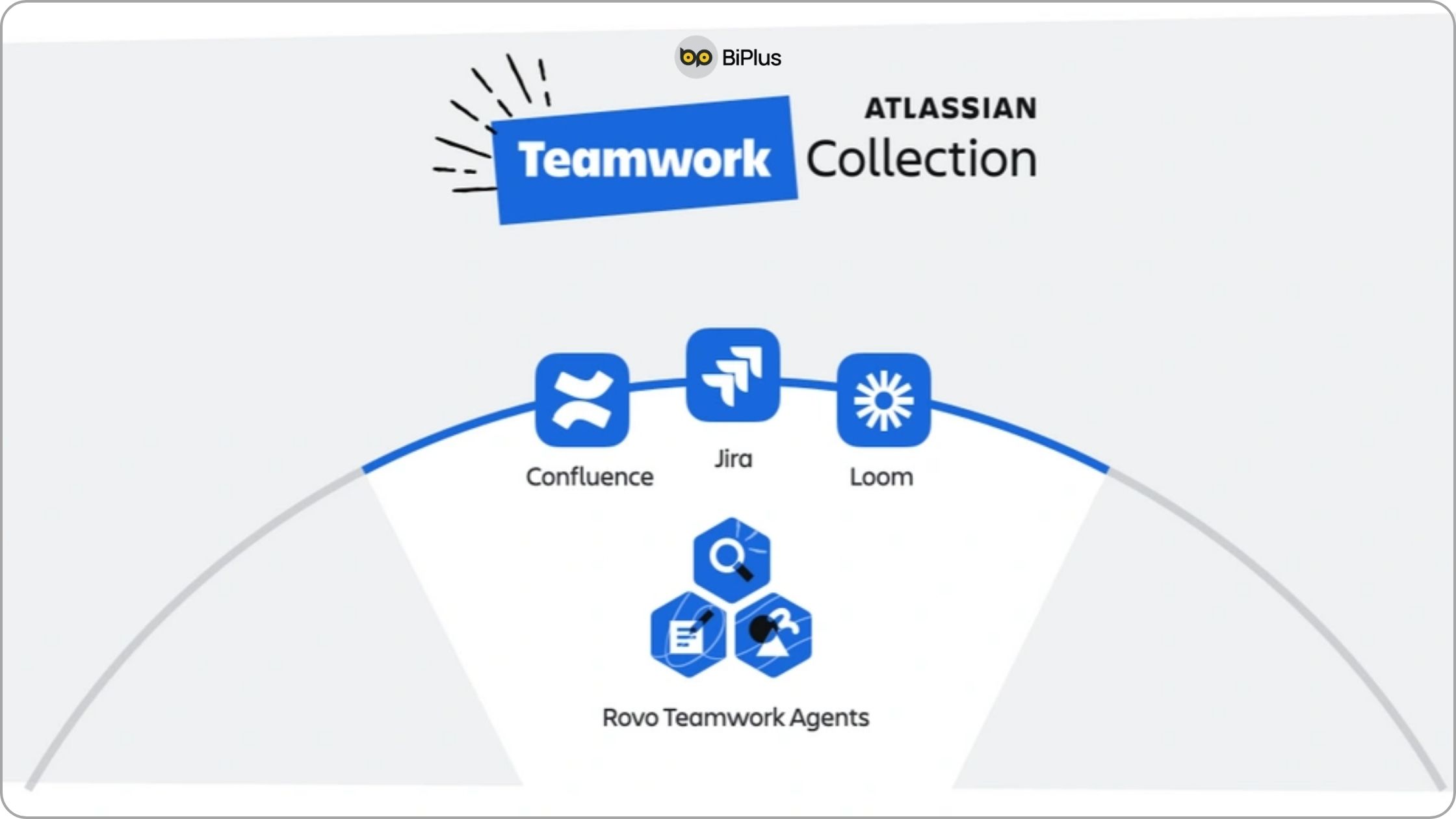
Atlassian's Teamwork Collection is a comprehensive solution designed for modern businesses, especially in BFSI, aiming to build a truly effective, transparent, and flexible System of Work. This suite not only helps companies harness AI's full power but also tackles long-standing operational bottlenecks at their root.
Teamwork Collection integrates tools like Jira (work and project management), Confluence (knowledge and document storage), Loom (video communication), and the smart Rovo AI assistant. This ensures that every activity, from planning and execution to communication, storage, and reporting, happens seamlessly, transparently, and is fully traceable.
Teamwork Collection lets businesses automate repetitive processes, from document approvals and customer requests to meeting report summaries.
With a shared workspace, everyone, from front-office to back-office, can access, contribute, and update information in real time.
Teamwork Collection easily connects with popular tools like Slack, Google Drive, Figma, and more, allowing businesses to make the most of existing resources without overhauling their entire system.
With all data, processes, and results recorded on one platform, companies can easily measure effectiveness, spot new bottlenecks, and keep improving operations.
Teamwork Collection is more than just a set of tools. It's a strategic solution that helps BFSI businesses build a digital operational foundation, fully leverage AI, eliminate long-standing bottlenecks, and achieve sustainable growth in the new era.
If you're struggling with bottlenecks despite heavy AI investment, let BiPlus help you build a modern System of Work, a solution that connects goals, processes, data, and AI into a seamless flow, optimizing operations and creating lasting value for your business.
Contact BiPlus for detailed advice on Teamwork Collection and a digital transformation roadmap tailored to your organization!


